Leading City Procurement Reform
Teaching city leaders research-backed management practices to help cities advance procurement as a strategic function
Driving procurement innovation and efficiency for the forward-looking city
Cities spend 25–50% of their budgets on goods and services obtained through procurement, and city procurement practices have a major impact on residents’ lives. When procurement works well, city leaders can turn an ambitious vision into results, adapt to changing needs, and build a more innovative and responsive city hall.
Offered by the Bloomberg Harvard City Leadership Initiative in collaboration with Partners for Public Good, Leading City Procurement Reform equips teams of senior city leaders with the tools, knowledge, and networks needed to help lead their city’s efforts to innovate, adapt, and drive impact.
100%
of 2025 participants rate the program as very or extremely useful.
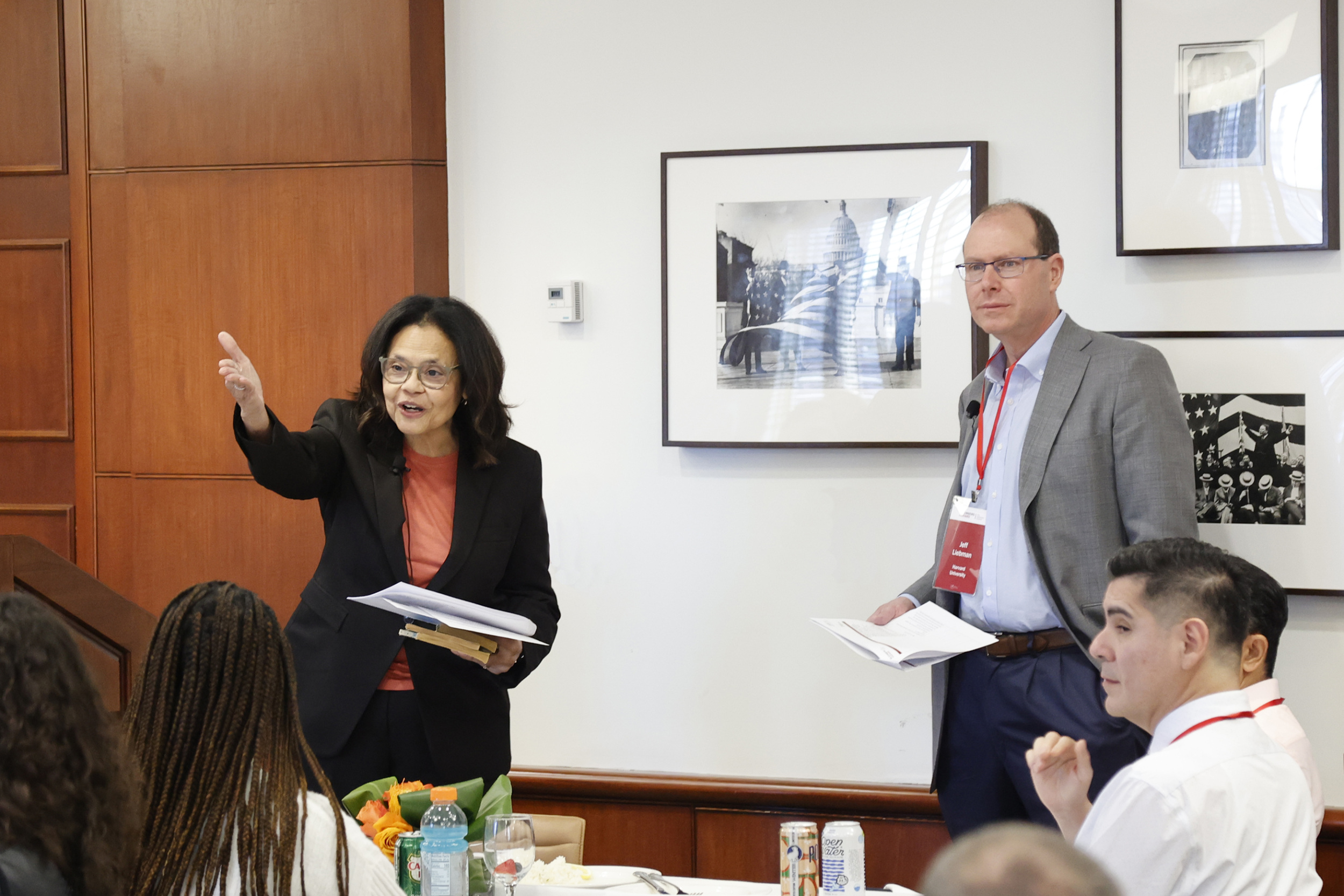
The program incorporates case studies, state-of-the-art research, interactive exercises, simulations, and working sessions led by Harvard faculty and other experts. Virtual learning sessions and coaching calls complement an intensive one-week in-person classroom experience on the Harvard University campus.
Participants learn to collaborate effectively across city silos, make progress in the face of competing priorities, and build the high-performing teams needed to lead change. The program is structured to assist each city in tackling a specific procurement challenge.
Select alumni cities of the Bloomberg Harvard City Leadership Initiative that are committed to improving procurement and ready to set out a concrete, ambitious challenge to work on through the program are invited to apply.
Harvard professors Kimberlyn Leary and Jeffrey Liebman serve as the program’s Faculty Co-Chairs.
Learning Objectives
Address leadership challenges in aiming to transform the procurement function within city government
Understand the importance of making the procurement function in government more efficient, fair, results-driven, and strategic
Build the innovation and analytical capacity to accurately diagnose problems and address them
Strengthen the capacity to collaborate across organizational boundaries, overcome resistance to change, and solve problems
Enhance team performance and create conditions for staff success
Improve performance in negotiations with internal stakeholders and vendors through techniques to increase bargaining power, frame persuasive arguments and alternatives, and build sustainable agreements
The program was transformative. It provided the rare opportunity to step back, learn from peer cities, focus on a strategic objective and scrutinize our current processes. We are now moving forward faster than we ever could have alone.Mande Green, Chief Operating Officer
City of Chattanooga
66
cities across the United States, Canada, Europe, and Latin America have tackled procurement challenges through the program.
Procurement isn’t always treated as a leadership issue, but Leading City Procurement Reform makes a compelling case that it should be. The frameworks were practical, and the connections I built with senior officials from other cities have stayed with me well beyond the program.Marc Pittet, Deputy Chief Administrative Officer
City of Winnipeg
Opening the Door: Using Purchasing Power to Grow Indigenous Businesses
No More Skipping the Line: Putting Every Contract Through Purchasing
Lowering the Barriers: Growing Disadvantaged Business Participation

Opening the Door: Using Purchasing Power to Grow Indigenous Businesses
Winnipeg, Canada
Opening the Door: Using Purchasing Power to Grow Indigenous Businesses
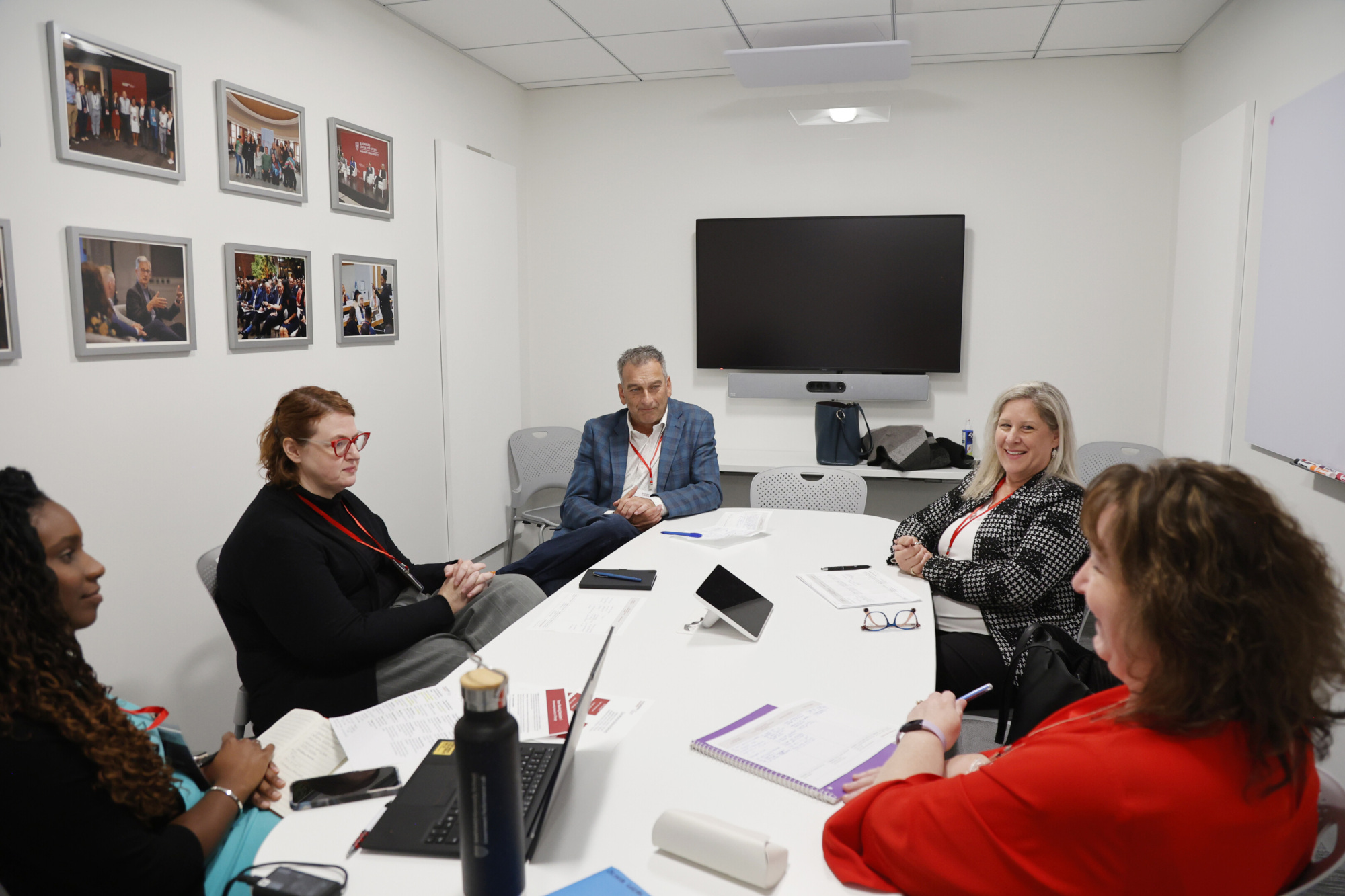
Winnipeg has the largest Indigenous population of any major Canadian city, yet Indigenous-owned businesses remained underrepresented among city suppliers. Through Leading City Procurement Reform, Winnipeg’s team applied frameworks from the program’s case studies and coaching calls to create a concrete plan to grow representation. Within six months of the program, the team expanded its supplier showcases connecting Indigenous businesses to city departments, while also launching a new Indigenous Business Procurement Survey to identify barriers, and embedding social procurement criteria into RFPs. As a result of these activities, the city has awarded over $347,000 to Indigenous businesses so far.
No More Skipping the Line: Putting Every Contract Through Purchasing
Columbia, MO
No More Skipping the Line: Putting Every Contract Through Purchasing
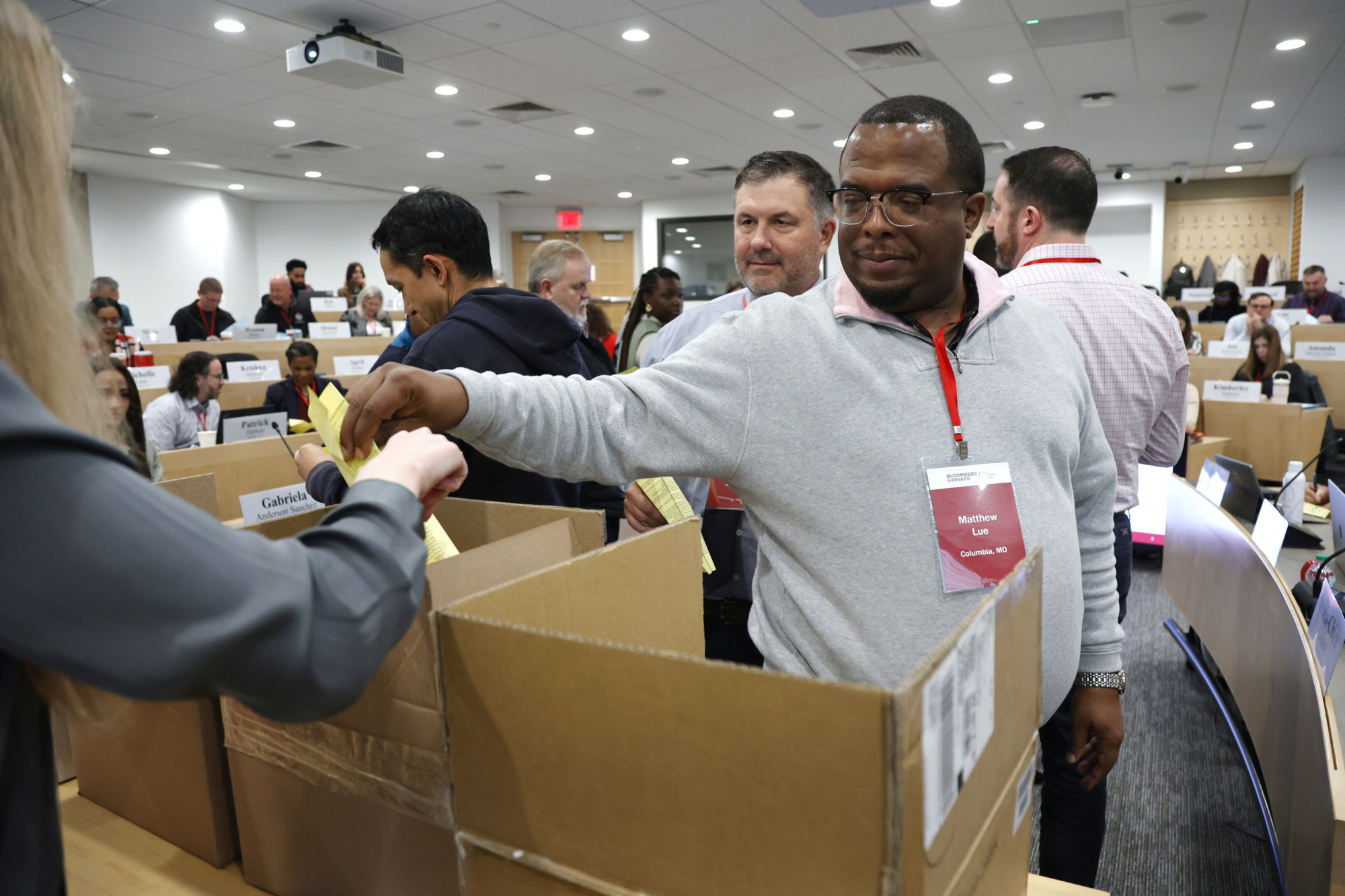
The Purchasing department protects city investments and maintains quality control over goods and services the city buys. However, Columbia’s code let departments bypass Purchasing entirely and take contracts straight to City Council — in FY25 alone, Council approved 19 contracts worth $6.1M this way, despite an independent audit recommending the practice end. Through Leading City Procurement Reform, Columbia’s team briefed the Mayor and City Manager on the risks, making the case and building trust across the city. Since then, zero departments have bypassed Purchasing, and in one rebid alone, the city saved $42,000. Beyond the cost savings, this new partnership gives the Purchasing department the visibility to plan effectively for what’s ahead.
Lowering the Barriers: Growing Disadvantaged Business Participation
Salt Lake City, UT
Lowering the Barriers: Growing Disadvantaged Business Participation
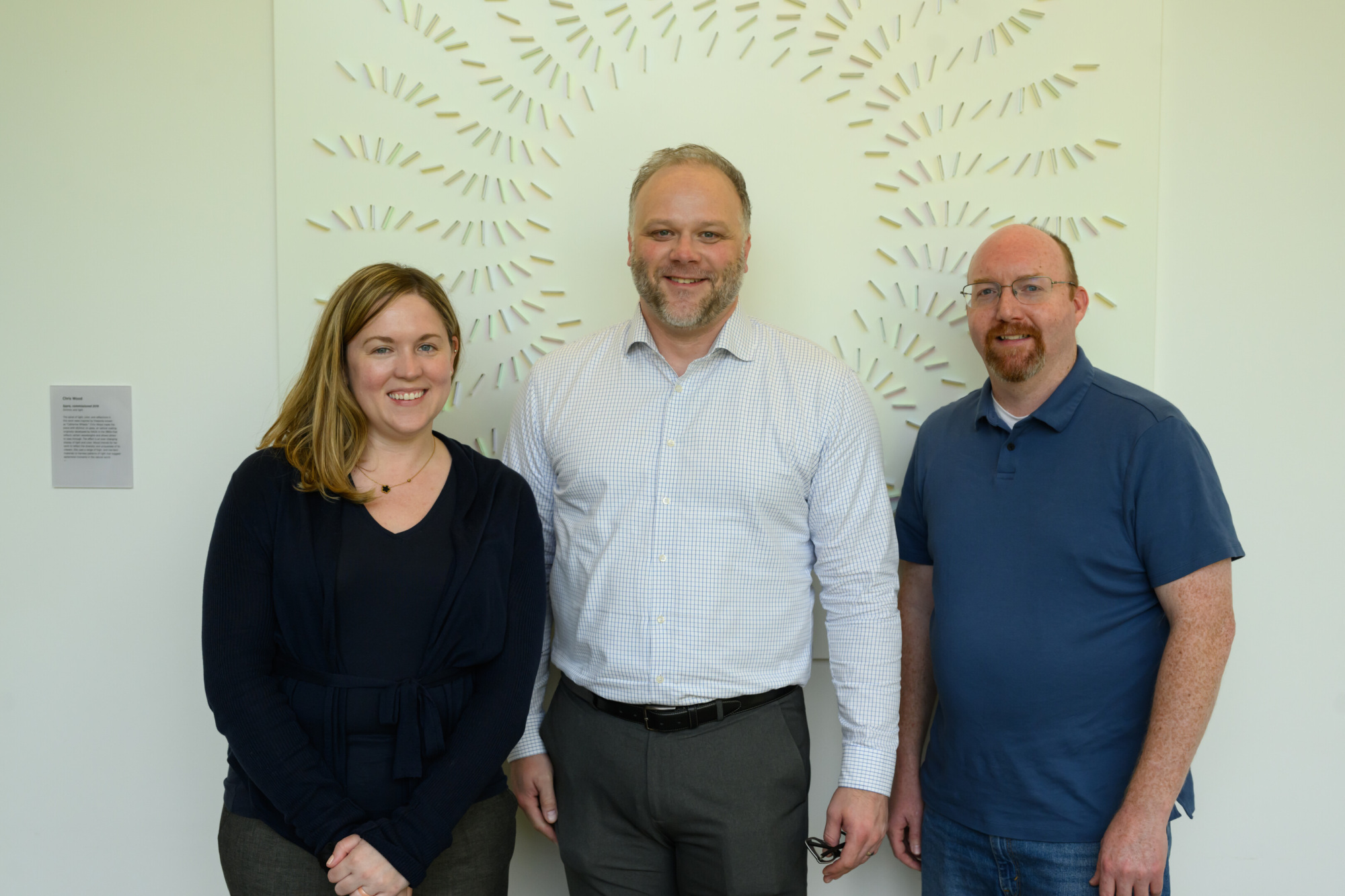
Salt Lake City had a goal of 5% participation in RFP responses from disadvantaged businesses but lacked the tools to track or grow it. Building on program learnings, the procurement team began hosting vendor “office hours” and attending local trade shows to become more visible to local vendors. The team also built a database to track solicitation responses and notify vendors of new bidding opportunities. As Chief Procurement Officer Christopher Jennings put it, lowering barriers to entry worked. The city now exceeds its 5% goal and plans to set a more aggressive target.